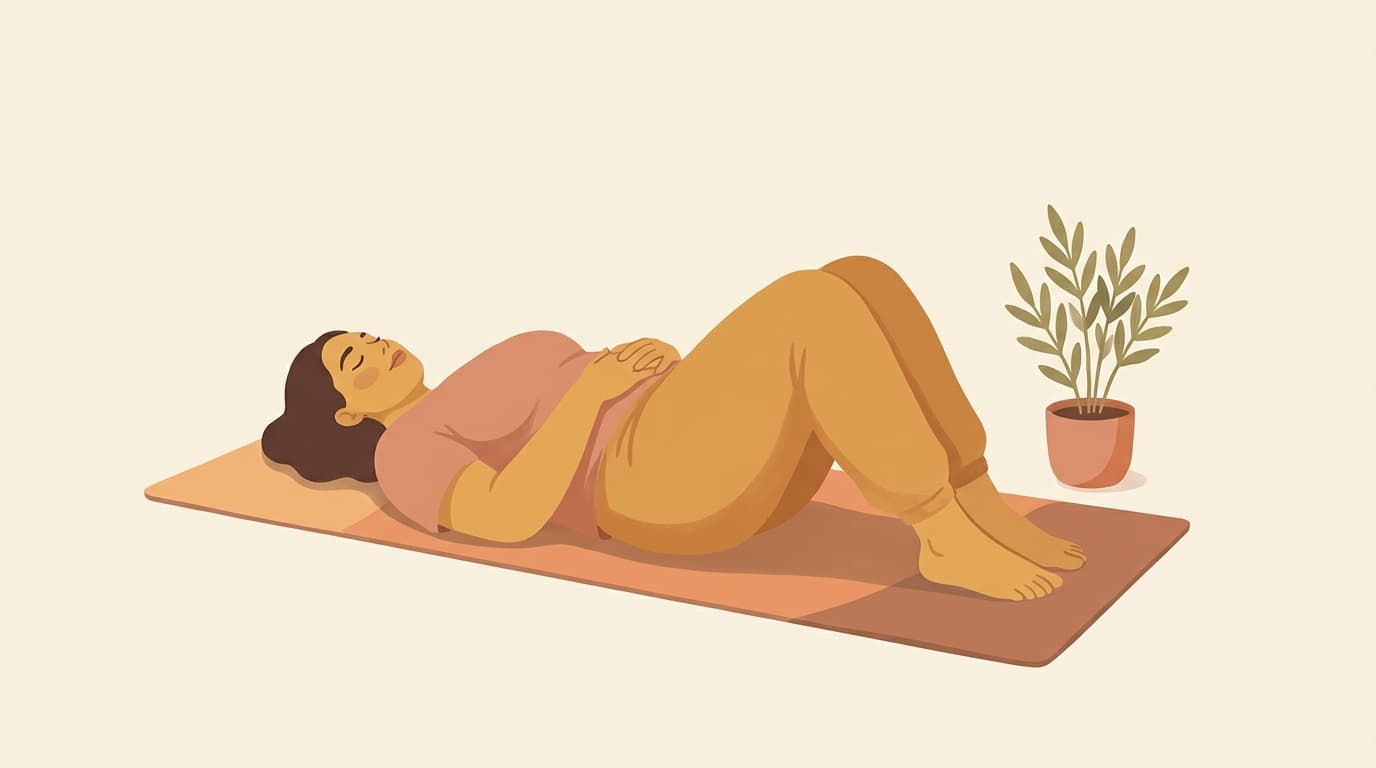
Pelvic floor physiotherapy cannot close a refluxing vein — but chronic pelvic pain almost always recruits the pelvic floor muscles into guarding and overactivity that becomes its own pain source. Treating the veins and retraining the muscles is often what full relief actually requires.
"Can pelvic floor therapy help pelvic congestion?" — asked constantly in our DMs, usually with an undertone of please say I can do something myself. The honest answer has two halves, and both matter.
The half that's a hard no
If blood is pooling in refluxing pelvic veins, no exercise, stretch or release technique changes that plumbing. A physio-only plan for a venous problem leaves the venous problem — which is why "we'll refer you to physio" without imaging shouldn't be the end of a work-up when the venous pattern is present.
The half that's a genuine yes
Live with pelvic pain for months and your nervous system does something protective and unhelpful: it braces. The pelvic floor — a bowl of muscle you can clench like a jaw — tightens around the pain, and stays tightened. Over time that guarding becomes overactivity: trigger points, a floor that can't relax, muscles that ache on their own schedule. The result is a second pain generator layered on the first, with its own signature — pain with sitting, pain with penetration, urinary urgency, the feeling of a "knot" — that persists even after successful venous treatment, because coils don't retrain muscles.
This is one of the commonest reasons women are still in pain after embolisation — and it's treatable.
What pelvic floor physio actually involves
A specialist pelvic health physiotherapist (this is a post-graduate speciality — ask) typically works through:
- Assessment — external and, with consent, internal examination of muscle tone, tenderness and coordination; many women learn here for the first time that their floor is over-tight, not weak
- Down-training — the opposite of Kegels: breathing mechanics, relaxation of the floor, unlearning the clench (strengthening a guarded floor usually worsens it — a key reason generic "do your Kegels" advice misfires here)
- Manual therapy — releasing trigger points in the floor, hips and abdominal wall; the "tight hips" so many of you describe are usually part of the same guarding pattern
- A home programme measured in minutes a day, and pacing strategies for flare management
Where it fits in the sequence
- Alongside the venous work-up — nothing about physio interferes with imaging or treatment, and starting early shortens the total pain timeline
- After venous treatment — if the heaviness improved but sitting pain, intimacy pain or the "knot" remain, the muscular layer is the prime suspect
- As honest symptom relief while you navigate referrals — better days are worth having even before the cause is fixed
One practical tip from this community's experience: bring your venous diagnosis to the physio. "PeVD with guarding" sets a different treatment plan than unexplained pelvic pain — and good pelvic physios know the difference.